Loading...
Stop slopes from washing away and protect your foundation from water damage - built right the first time for South Texas conditions.
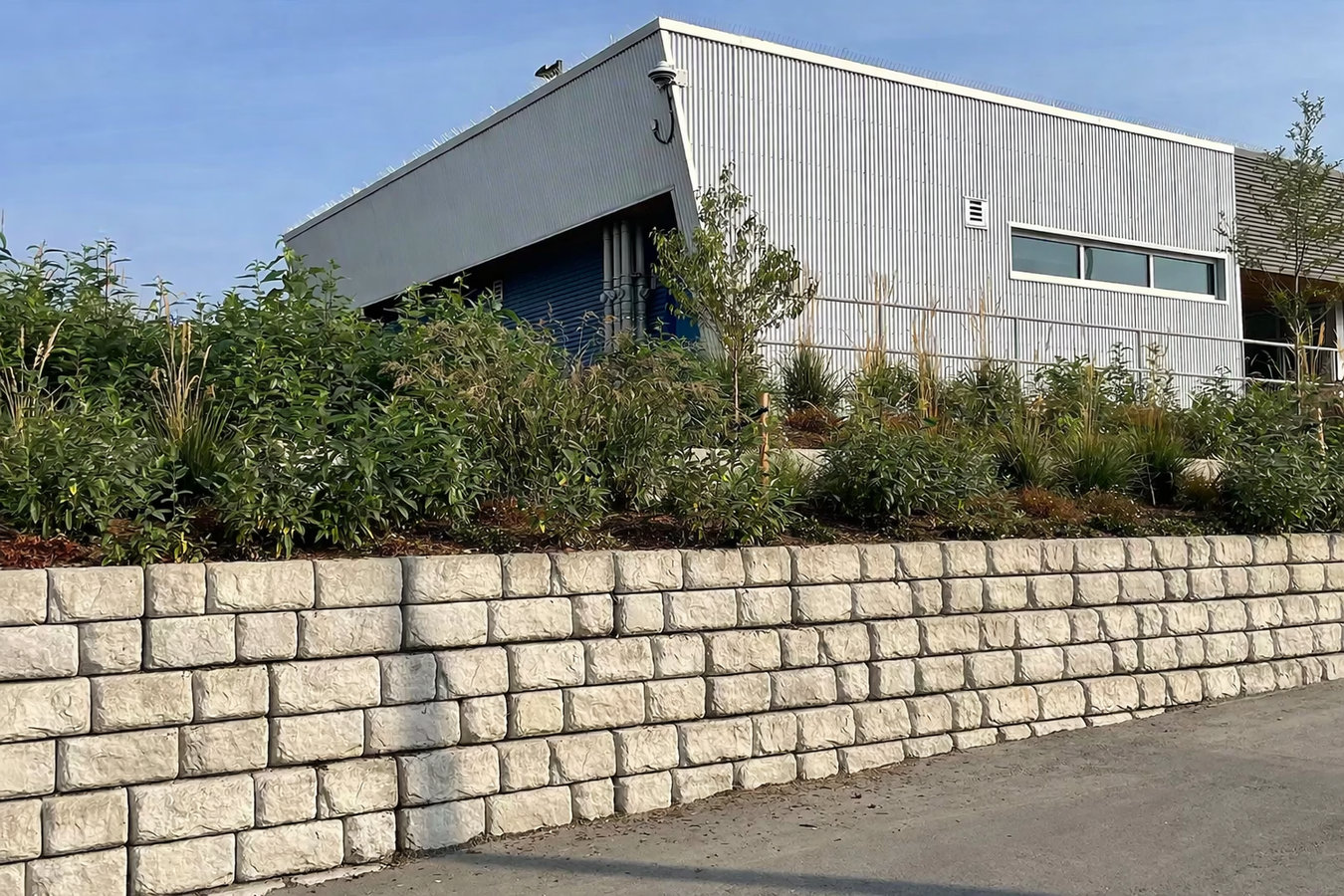
Concrete retaining walls in Brownsville hold back soil on sloped or elevated sections of your property, most residential jobs take one to five days on-site depending on wall height and total length. The work involves excavation, a deep footing for our clay soil, drainage installation, and backfill - all permitted through the City of Brownsville when required.
Homeowners in Brownsville often need a wall after noticing soil washing away near a resaca or drainage channel, or after an existing timber or block retaining wall starts leaning. A concrete wall is one of the most durable choices in South Texas - it resists the heat, moisture cycles, and occasional tropical rainfall that break down other materials faster. If you are also considering improving your outdoor space, concrete floor installation pairs well with a retaining wall project to create a level, finished area behind the wall.
After a heavy Brownsville downpour, you see soil pooling at the bottom of a slope, washing onto your driveway, or spilling into a neighbor's yard. This is one of the clearest signs the ground needs to be held in place. Left alone, each storm removes more material until the slope becomes unstable.
If the ground around your house tilts toward the structure rather than away from it, water is directed at your foundation every time it rains. In Brownsville's clay soil, that water does not drain quickly - it pools and pushes against the slab. A retaining wall combined with proper grading redirects that water before it causes damage.
If an older block, brick, or timber wall is visibly tilting forward, has cracks running through it, or shows gaps opening between the wall and soil, it is failing. A leaning wall does not fix itself - the pressure behind it only increases, and a collapse can happen suddenly.
Standing water collecting near your driveway apron, garage slab, or side yard after storms often means the surrounding grade is pushing runoff toward a low point near your home. A short retaining wall with proper drainage behind it can redirect that water before it undermines your concrete or seeps under your slab.
We build poured concrete and concrete block retaining walls for residential and small commercial properties throughout the Brownsville area. Every wall we build includes a compacted base, deep footing sized for South Texas clay movement, and a drainage system designed to handle the rainfall this region gets during hurricane season. We also handle permits through the City of Brownsville Development Services office as a standard part of the job - no extra hassle on your end.
Walls near resacas or drainage easements require coordination with the city before work begins, and we handle that process routinely. If your project includes finishing the area behind the wall, we can connect that work to our concrete floor installation service or add concrete footings for any posts or structures going into that space.
Best for homeowners who want maximum strength and a clean finished look for taller or load-bearing applications.
A good fit for shorter garden walls, terracing, and projects where tight access makes pouring a full wall less practical.
For homeowners dealing with water pressure buildup behind an existing wall or new construction in low-lying areas near resacas.
For any wall that meets the City of Brownsville height or easement thresholds - we pull the permit and handle the inspection.
Brownsville sits on a flat coastal plain with heavy clay soils that swell when wet and shrink when dry. That constant movement puts extra stress on retaining walls and their footings year-round. On top of that, the city is crisscrossed by resacas - the old oxbow drainage channels left by the Rio Grande - and many residential lots slope toward or back up to these features. Without a properly built wall, every hurricane-season storm strips a little more soil from those slopes. Homeowners in Los Fresnos and nearby communities face the same clay soil conditions and flooding pressure that make drainage-first wall construction so important in this region.
Summer heat is the other local factor. Fresh concrete that dries too fast in South Texas develops surface cracks before it has cured properly. We schedule wall pours for early morning during hot months and take additional steps to slow the curing process - protecting your wall's long-term strength, not just its appearance on day one. Homeowners in Laguna Vista along the coast experience the same intense UV exposure and humidity swings that make proper curing practices so critical in this corner of Texas. See the Portland Cement Association for guidance on concrete curing in hot weather conditions.
We visit your property to measure the slope, check drainage conditions, and look for any easements near the wall location. You will receive a written estimate within one business day - not a verbal ballpark.
For walls that require a City of Brownsville permit, we submit the application as a standard part of the job. Permit processing typically takes a few business days to a week before work can begin.
The crew digs out the area, prepares a compacted base, and pours or lays the wall with gravel drainage backfill and weep holes installed as the work progresses. Brownsville clay requires deeper footings than most other regions.
Once the wall is complete and cured, the area behind it is backfilled, graded, and restored as close to its original condition as possible. If a permit was pulled, a city inspector schedules a visit to sign off on the work.
We will come out, look at your site, and give you a written estimate - no obligation. We reply within one business day.
(956) 505-5077We install gravel backfill and weep holes or perforated drain pipe on every retaining wall we build. This is the single most important factor in how long a wall lasts in South Texas, and we treat it as non-negotiable regardless of project size.
Brownsville's expansive clay soil moves more than most homeowners expect. We dig footings deep enough to anchor each wall below the active soil layer, which is one of the main reasons our walls hold up through wet and dry seasons without shifting.
We pull every required permit through the City of Brownsville Development Services office before work begins. You get a clean paper trail and a city inspection on record - which matters if you ever sell your home. Check contractor licensing through the{' '} Texas Department of Licensing and Regulation at tdlr.texas.gov.
We schedule concrete pours for early morning during Brownsville summers and take steps to slow the curing process in the heat. This protects the long-term strength of your wall, not just how it looks the day the crew leaves.
Every retaining wall we build is designed for Brownsville's specific conditions - clay soil movement, resaca drainage patterns, and hurricane-season rainfall. Those details are not afterthoughts; they are built into every step of the job. American Society of Civil Engineers standards guide how we approach wall design for residential projects.
Pour a level, finished concrete floor in the space your retaining wall creates - garages, utility areas, and outdoor slabs.
Learn MoreStructural footings for posts, columns, or additions that need to anchor below Brownsville's active clay soil layer.
Learn MoreBrownsville storms hit fast - get your wall built, backfilled, and fully cured before June so it is ready when the rain arrives.