Loading...
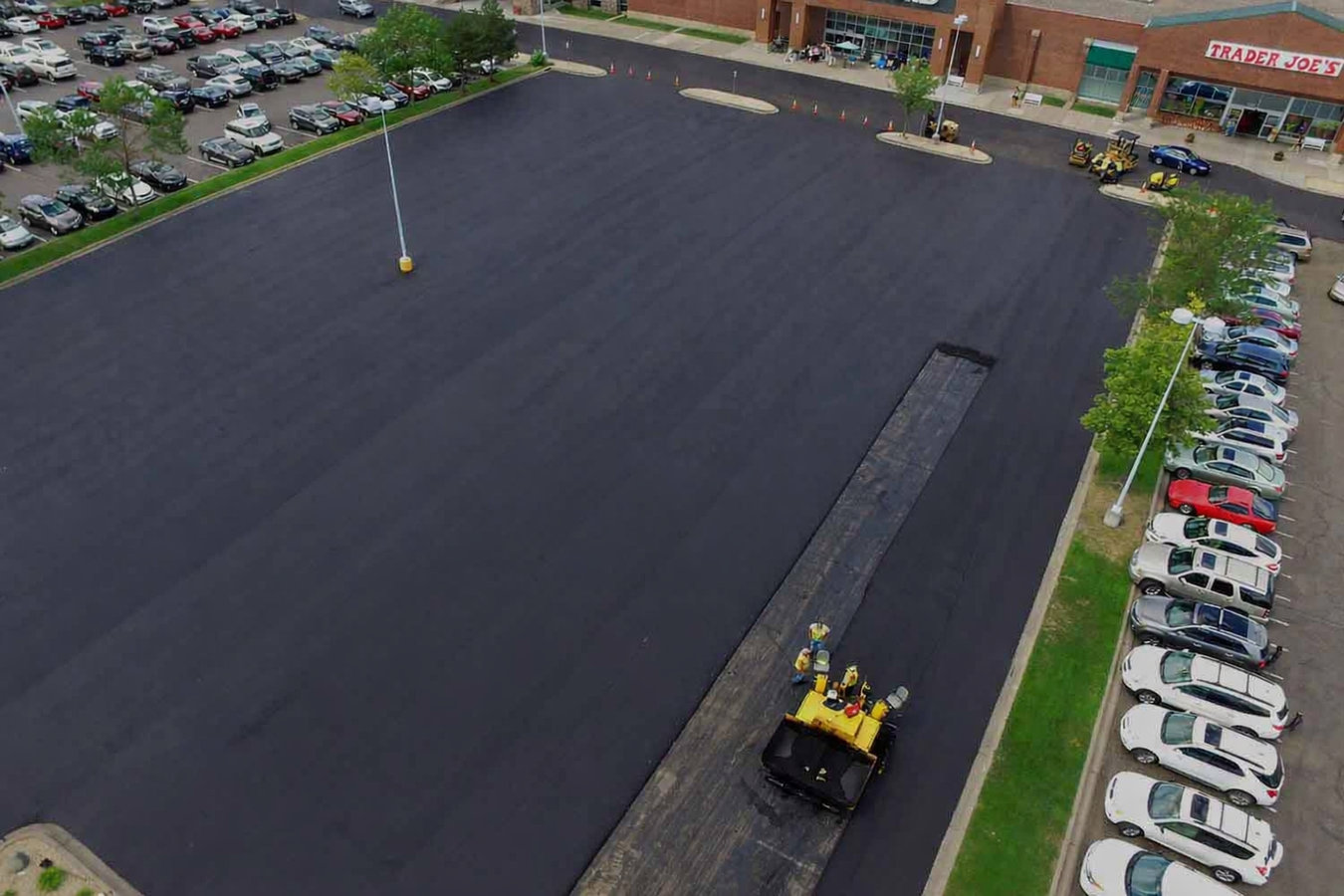
Asphalt softens in South Texas heat, and gravel lots become a muddy mess after every storm. A properly built concrete parking lot handles both problems and holds up for decades with minimal upkeep.
Concrete parking lot building in Brownsville covers site clearance, gravel base compaction, the pour, and a curing period - most standard residential or small commercial lots take two to five days on site, then up to four weeks before the surface is ready for regular vehicle use.
If your current surface is an aging asphalt lot, a gravel yard that floods every storm season, or bare dirt that gets tracked into your building, a concrete lot solves all of those problems at once. Brownsville's flat terrain and clay-heavy soil make proper drainage design critical - a lot that sits level but drains toward your building is worse than what you started with.
For properties that also need vehicle access from the street, concrete parking lot work pairs naturally with concrete driveway building so the approach and the lot are built to the same drainage grade.
Cracks wider than a quarter inch, chunks that lift or crumble, or sections that shift under a vehicle mean the surface has reached the end of its useful life. Patching over serious structural damage is a short-term fix - at some point, a full replacement is the more cost-effective choice.
Brownsville's flat terrain and clay-heavy soil mean poorly designed surfaces collect standing water after storms. If puddles sit for hours after rain, or water runs toward your building instead of away from it, your surface is not draining correctly. A new lot with proper slope solves this.
If your parking area has spots that are higher than others, or dips that keep getting worse, the clay soil underneath is likely expanding and contracting with moisture changes. This is a well-known issue in Cameron County. New construction with proper base prep stabilizes the surface and stops the cycle.
Unpaved areas in Brownsville's climate turn to mud after rain and kick up dust during dry spells. If you are tired of ruts, tracked-in dirt, or a lot that washes out during storms, a concrete surface eliminates all of those problems at once and adds lasting value to your property.
Most of our parking lot projects fall into one of two categories: new construction on a raw site, and full replacement of a surface that has failed. For new construction, we start from the ground up - clearing the area, compacting the soil, laying a crushed stone base for drainage, and pouring a four-to-six-inch slab reinforced with steel to handle regular vehicle loads. For replacement work, we remove the old material first, assess whether the existing subgrade needs reworking, and build the new slab on a prepared base.
If your lot will also need structural supports for a carport, shade structure, or fence, that work starts underground with proper concrete footings poured before the slab so the two elements work together as a single system. Control joints are cut into every lot we build so the concrete can flex slightly with seasonal soil movement without cracking randomly across the surface.
Suits residential and small commercial property owners who need a durable paved surface built from the ground up on a properly compacted base.
Suits owners whose current base is structurally sound but whose surface has worn out - a cost-effective option when the subgrade does not need full replacement.
Suits property owners who are tired of asphalt softening and rutting in South Texas heat and want a surface that stays rigid year-round.
Suits business owners expecting regular delivery truck, RV, or heavy equipment traffic who need a thicker, heavily reinforced slab.
Three conditions make parking lot construction in Brownsville harder than it looks from the outside. The first is clay soil - Cameron County sits on expansive Vertisol clay that swells when it absorbs rainwater and contracts as it dries. A slab poured directly onto unprepared clay will heave, crack, and settle unevenly within a few years. The second is heat - summer temperatures regularly exceed 95 degrees, and concrete poured in full afternoon sun in July can lose surface moisture too quickly, weakening the slab before it has finished curing. The third is drainage - Brownsville's flat terrain and proximity to the Gulf means water does not move away naturally, and a lot that is graded even a fraction of an inch in the wrong direction will collect water instead of shedding it.
We serve homeowners and small business owners across Brownsville, including properties in Weslaco and Harlingen where the same clay soil and drainage conditions apply. Whether your project is a two-car residential lot or a small commercial surface that needs to meet the city's parking count requirements, the base preparation and drainage grading are the same - and they are what we focus on first.
We ask about the lot size, what is on the ground now, and how the property drains. You get a rough ballpark before we visit - we reply within one business day.
We measure the area, assess soil and drainage conditions, and deliver a written estimate that includes the permit fee. The City of Brownsville requires a permit before any lot construction begins, and we handle that application on your behalf.
The crew clears the area, grades for drainage, and compacts a gravel base layer that gives the slab a stable foundation. This preparation step is what separates a lot that lasts 30 years from one that cracks in three.
Concrete is poured in the early morning to avoid Brownsville's peak heat, then leveled, finished, and cut with control joints. Plan to stay off the surface for at least a week for foot traffic and up to four weeks for regular vehicle use.
No pressure, no obligation. We visit your property, walk through the options, and give you a written estimate that covers everything - including the permit.
(956) 505-5077We handle the City of Brownsville Planning and Development Services permit on every parking lot project. The city reviews the drainage design before we break ground - which protects you and means the work is legally on record when you sell or file an insurance claim.
Expansive clay soil is one of the most common causes of concrete failure in the Rio Grande Valley. We compact the subgrade thoroughly, add a gravel drainage layer, and size the slab for local soil conditions - the same preparation that separates a lot that stays flat from one that heaves within a few seasons.
Brownsville summers are not forgiving. We schedule pours for early morning, adjust the mix for heat, and protect fresh concrete from rapid surface drying that leads to cracking. The American Concrete Institute sets the standards we follow for concrete placement in high-temperature conditions.
Every quote we provide breaks down site prep, materials, labor, and the permit fee in one document - no hidden line items added after you sign. A clear written scope before work starts is one of the clearest signs that a contractor intends to deliver what they promised.
Every one of these factors connects: a permit means an inspection, an inspection means the drainage and base work get a second set of eyes, and good base work is what keeps the slab level when the clay soil moves. The National Ready Mixed Concrete Association provides the quality standards that govern how concrete is mixed and delivered - contractors who work within those standards are not guessing at the mix design for your pour.
If your lot project includes a new structure, carport, or fence, proper footings are the underground anchor that keeps everything level through South Texas soil movement.
Learn MoreConnect your new lot to the street with a properly sloped driveway approach built to City of Brownsville standards.
Learn MoreBrownsville's rainy season fills contractor schedules fast - reach out now to lock in your start date before the next storm season sets your project back.